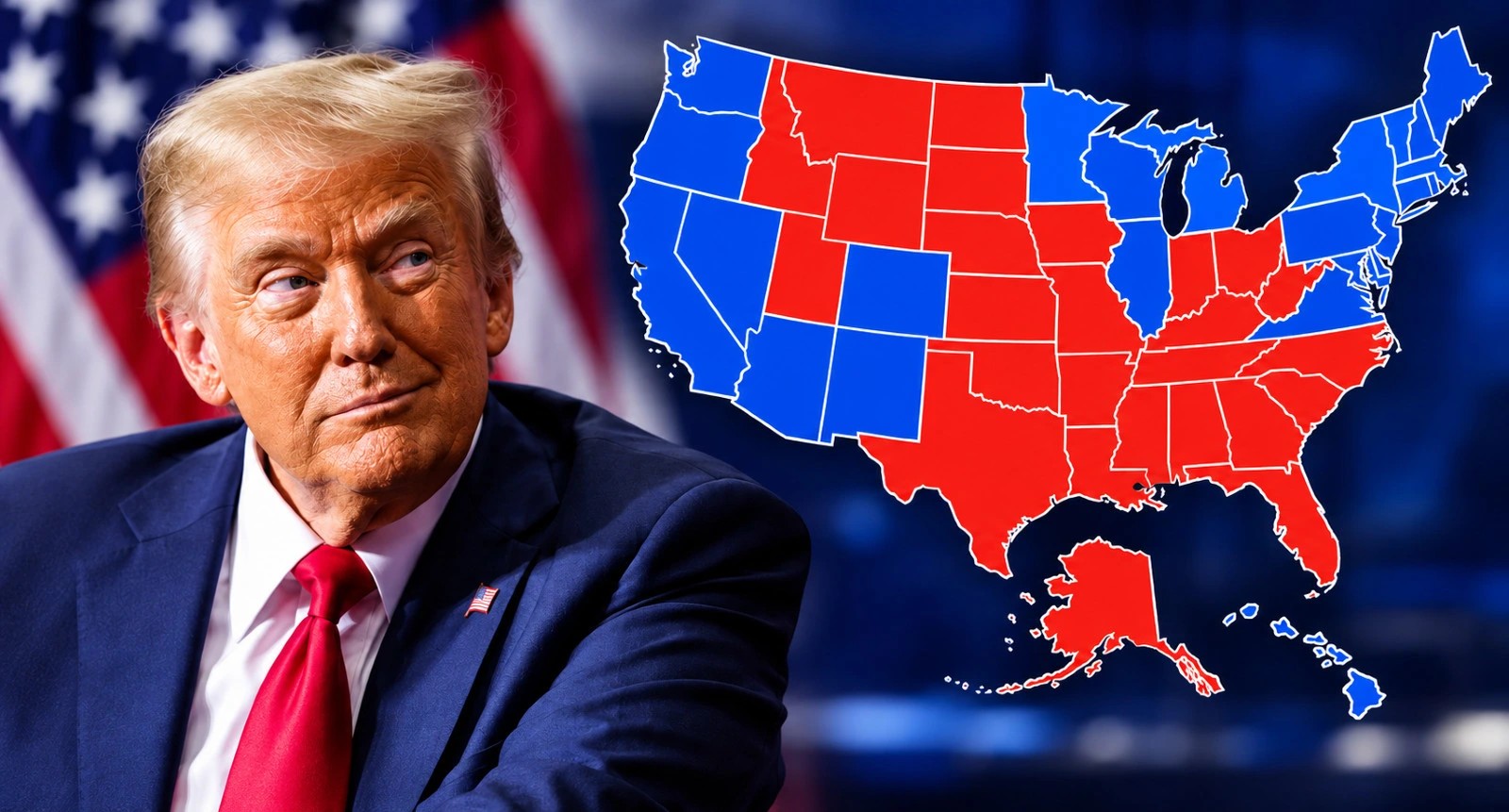
Republican Senate candidates in several key states have gained ground in the latest polling, narrowing margins in Texas, Kansas, Iowa, Michigan, and Ohio just days before the midterm elections that will decide which party controls the chamber. The shifts are significant, but the results vary widely from one pollster to the next, leaving the outcome far from settled.
Republicans currently hold a 53-47 Senate majority. Control of the chamber now depends on a handful of competitive contests, where small changes in voter preference could alter the balance of power.
Where the Races Stand
In Texas, an InsiderAdvantage survey of 1,200 likely voters showed Republican Ken Paxton leading Democrat James Talarico 49 percent to 48 percent. That result reverses earlier polls that had favored Talarico. With a margin of error of 2.8 points, the race is effectively tied. A later CBS News survey, however, put Talarico ahead 51 percent to 49 percent, highlighting how inconsistent the findings have been.
Kansas also showed encouraging numbers for Republicans. The latest InsiderAdvantage survey had incumbent Republican Sen. Roger Marshall ahead of Democrat Adam Hamilton by one point, 48 percent to 47 percent. That gave Marshall a narrow lead in the RealClearPolitics polling average for the first time. Kansas has not elected a Democratic senator in more than nine decades, which makes this competitive contest notable. President Donald Trump traveled to the state to campaign for Marshall, underscoring Republican efforts to hold a state Trump carried by roughly 16 percentage points in 2024.
In Michigan, a Tyson Group poll showed Republican Mike Rogers leading Democrat Abdul El-Sayed 46 percent to 44 percent. Rogers gained three points in the firm’s latest statewide survey.
Iowa remains murky. Several recent surveys show GOP Rep. Ashley Hinson narrowly ahead of Democrat Josh Turek in the race for the seat being vacated by retiring Republican Sen. Joni Ernst. A co/efficient poll conducted October 19 had Hinson up 48 percent to 45 percent, and a Trafalgar Group survey put him ahead 45.9 percent to 44.2 percent. Marist and YouGov, however, found Turek narrowly ahead.
Ohio also moved toward Republicans. Rasmussen Reports found incumbent GOP Sen. Jon Husted leading former Democratic Sen. Sherrod Brown 49 percent to 47 percent. An ActiVote survey released October 18 showed an even tighter Husted edge, 50.2 percent to 49.8 percent. Other Ohio polling continued to favor Brown, including a Marist survey that showed the Democrat ahead by four points.
Political Reaction
The shifts have drawn attention from political observers tracking the Senate fight. Fox News anchor Bret Baier said on Sunday that Republicans could finish with a 52-48 Senate majority if GOP candidates outperform current polling averages by margins similar to past polling errors. His observation illustrates how modest deviations from current polls could produce very different outcomes.
Maine is another race to watch, though the latest polling has not shifted toward Republican Sen. Susan Collins. InsiderAdvantage, Suffolk University, and Rasmussen each recently found Democrat Troy Jackson ahead 49 percent to 47 percent. The RealClearPolitics average puts Jackson ahead by only 1.6 points, which keeps Collins within reach in a state where she has previously outperformed pre-election polling.
What It Means
Across these states, the polling points to a Senate map decided by razor-thin margins. The disagreement among pollsters, with some showing Republican gains while others still favor Democrats, reflects the uncertainty that comes with forecasting elections this close. Voters in Texas, Kansas, Iowa, Michigan, and Ohio will effectively determine whether Republicans keep control of the chamber or Democrats gain ground, where a single seat can shift the balance of power.