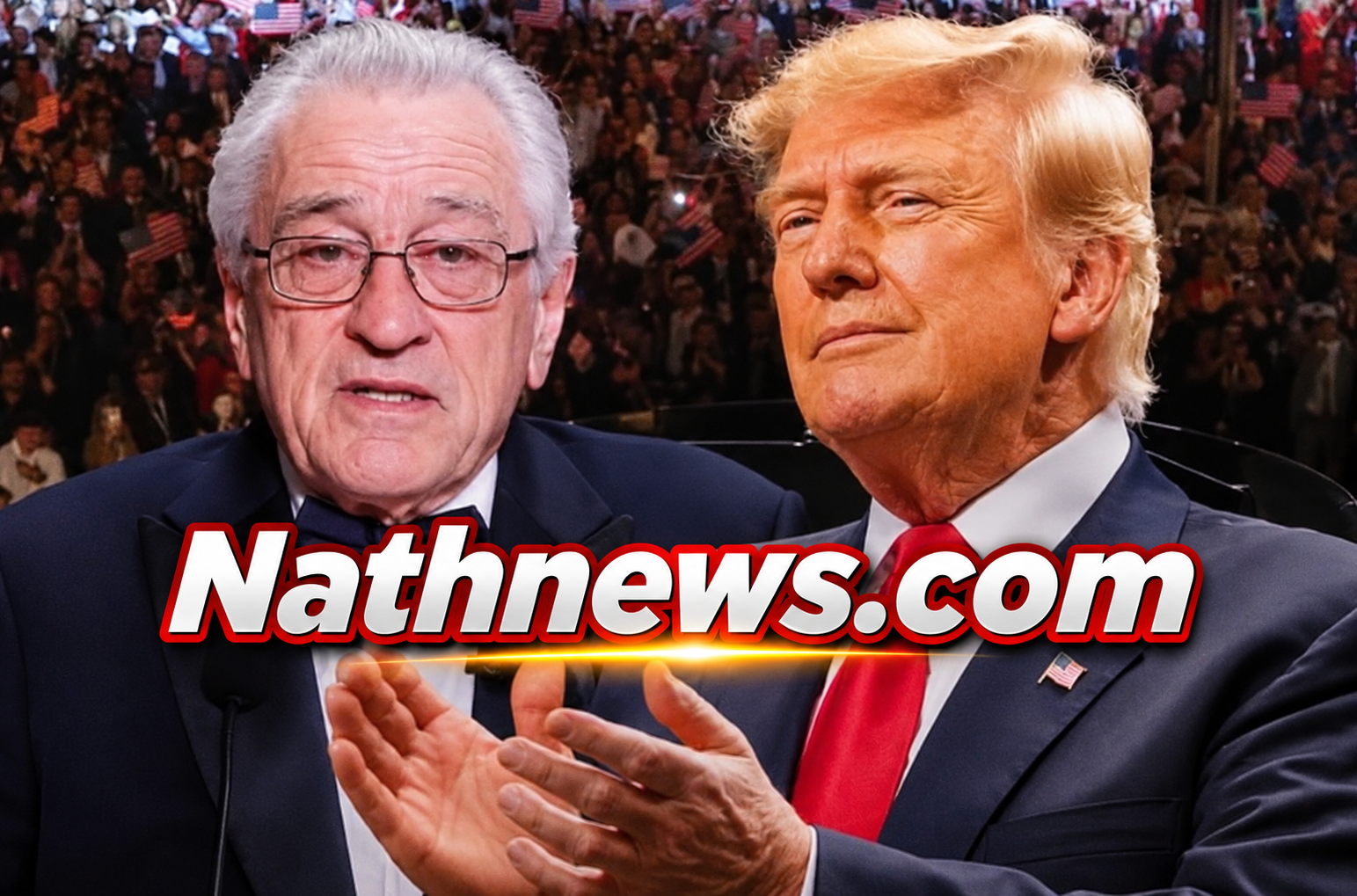
Oscar-winning actor Robert De Niro used a New York voting-rights rally on Tuesday to take aim at President Donald Trump and Republican leaders, urging Americans to protect their voting power as the November 2026 midterms approach.
Titled “Hands Off Our Vote,” the event drew activists, voters and public figures, including actor Mark Ruffalo. Discussion centered on election administration, voter access and federal authority over voting procedures, as campaigns entered the final stretch before midterm balloting.
What Was Said
De Niro delivered an extended, direct address on election policy and voter access. His central message was that political leaders should not restrict voting rights or change election procedures in ways that could limit citizen participation.
His criticism extended to Trump, congressional Republicans, the Supreme Court and the Justice Department. “Keep your hands off our vote” became the speech’s refrain, capturing the concerns of attendees who believe certain procedural changes could make it harder for eligible voters to cast ballots.
De Niro encouraged the crowd to turn those concerns into action at the ballot box. He specifically warned about potential immigration enforcement near polling locations and argued that the midterms present an opportunity to shift the balance of power in Congress through voting.
Ruffalo also spoke at the event, calling on attendees to engage politically. Excerpts from De Niro’s remarks spread quickly on social media, drawing immediate attention to his criticisms.
Context and Reaction
The appearance fits a long record of public political activism. De Niro has repeatedly used his platform to voice opposition to Trump and his administration’s policies, so the rally was consistent with his established public stance.
The event was organized as a mobilization effort built around opposition to the Trump administration and advocacy for electoral change. Supporters see De Niro’s blunt remarks on voting access as a legitimate exercise of free expression. Critics with opposing views may read them as partisan rhetoric that deepens division.
Celebrity involvement in political causes tends to draw strong and varied reactions. Well-known figures can bring media attention to policy questions, but fame does not confer expertise on every subject. Forceful rhetoric and the rapid sharing of excerpts can also pull attention away from policy details and toward a speaker’s delivery.
Why the Underlying Issues Matter
The voting-rights debate raises substantive questions about how American elections are run, including voter registration eligibility, voter-roll maintenance, error correction and federal authority over state-administered elections. These issues deserve careful examination regardless of which party might benefit.
Claims made at political rallies should be tested against evidence rather than accepted because of a speaker’s celebrity or rhetorical force. Allegations about registration changes call for review of relevant records and procedures. Claims about enforcement activity require documentation of actual deployments and the regulations that govern them. Assertions about court decisions should be checked against the rulings themselves and the reasoning behind them.
A viral clip or excerpt accurately reproduces what was said, but it cannot by itself establish what a policy will do or whether a government action broke the law. Quotations may omit surrounding context or explanation. There is also a critical difference between political advocacy and legal determination: arguing that a policy threatens voting rights is not the same as a court finding that it violates constitutional or statutory law.
Voters weighing arguments from rallies can review candidate positions, the laws in question and the practical effects of proposed changes. They can also consult official election authorities for information on registration status, deadlines, identification requirements and procedures, which vary by location. Online information may be incomplete, outdated or stripped of context.
The strength of the voting-rights debate will depend on whether Americans can separate political rhetoric from the rules that actually govern their participation. Elections are decided by eligible voters casting ballots under applicable law. Informed civic engagement means looking past provocative language to understand the specific policies at stake and the evidence behind claims about their effects.