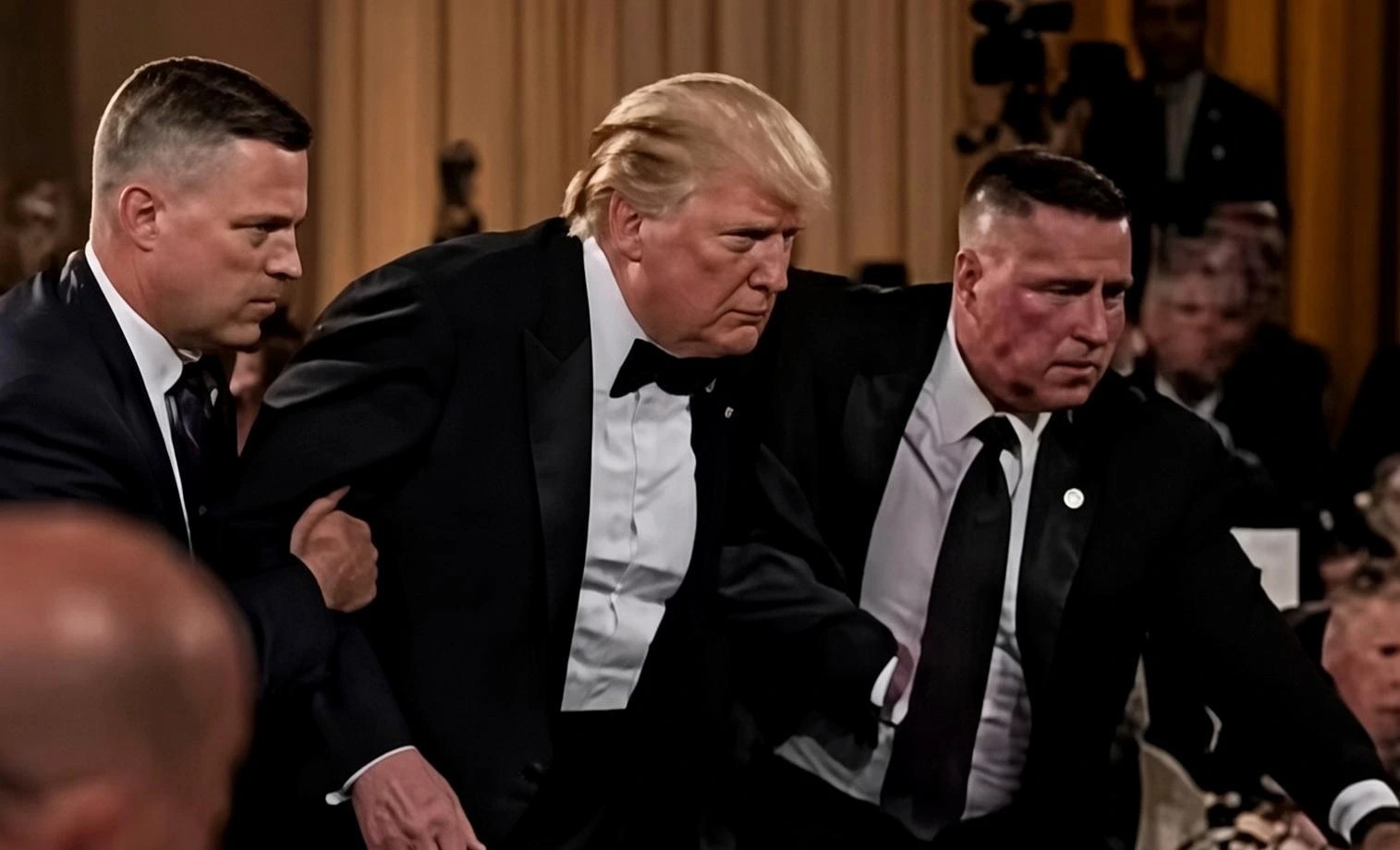
Unverified claims spread across social media on Wednesday alleging that Donald Trump had been shot in Washington, D.C. Law enforcement agencies, the Secret Service, major news organizations, and hospital systems have reported no credible evidence to support the allegation.
The posts relied on urgent language and dramatic headlines, and they circulated quickly throughout the day, drawing reactions from both supporters and critics. Within hours, however, the claim fell apart under scrutiny. It became another example of viral misinformation in an increasingly crowded digital information landscape.
What Happened
A series of posts began circulating on social platforms claiming that Trump had been shot again in the nation’s capital. The posts used alarming language and vague references meant to provoke an emotional response and encourage rapid sharing without verification. Several accounts that spread the initial claims could not be traced to established news organizations or other verifiable sources.
Many of the posts included recycled images, manipulated screenshots, or references to unnamed “reports” that could not be substantiated. Security analysts observed that the timing and format of the posts, which were built for emotional impact rather than factual clarity, resembled patterns typical of coordinated misinformation campaigns.
The Reaction
Federal agencies, including the Secret Service, did not issue any statement acknowledging a security incident. Major U.S. and international news outlets, which typically confirm incidents of this magnitude within minutes, reported no credible evidence of an attack. Hospital systems in Washington, D.C., and the surrounding area reported no emergency admissions matching the claims.
Security experts warned that false reports of this kind strain public safety resources and erode trust in legitimate news coverage. “These false alarms divert attention from actual threats and erode the credibility of genuine emergency communications,” one analyst said.
What This Means
The false claim stands in sharp contrast to the documented assassination attempt in Butler, Pennsylvania, in 2024, in which Trump was wounded but survived. That incident prompted immediate official statements, federal investigations, and a confirmed criminal case. Security protocols around Trump were tightened after that event, and subsequent threats have been reported through official channels with supporting documentation.
Political observers note that high-profile figures are frequent targets of fabricated narratives, particularly during periods of political tension or election activity. Sensational posts often gain traction by exploiting existing anxieties and the natural human impulse to share information that seems urgent or important before checking it against established reporting.
The episode highlights a persistent challenge in the modern information environment: unverified claims can spread far faster than fact-checkers and official sources can reach audiences. Because digital literacy remains uneven, telling genuine breaking news from engineered viral content depends on consistently relying on established news organizations and official government communications.