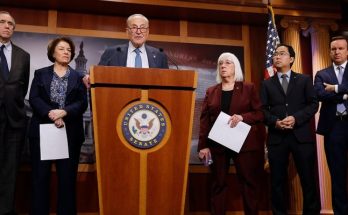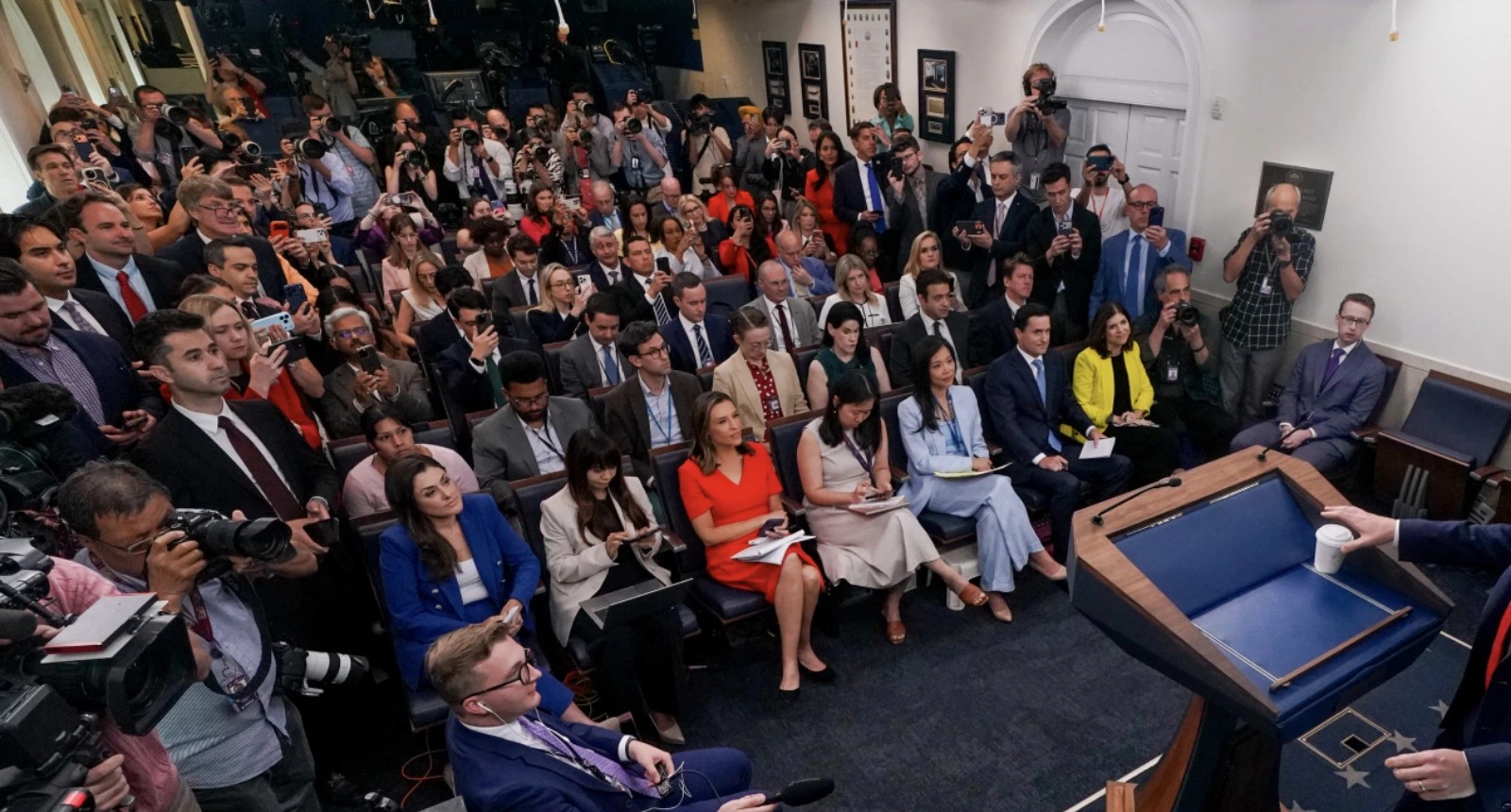
Attorney General Todd Blanche stepped into the White House press briefing on Wednesday, filling in for Press Secretary Karoline Leavitt, who remains out of the role while the administration searches for a permanent replacement. Speaking from the Rose Garden, Blanche covered a range of Justice Department priorities and policy initiatives, a sign that cabinet-level officials are continuing to rotate through press duties during the staffing transition.
Priorities Laid Out From the Podium
Blanche used the briefing to outline several enforcement priorities at the department. He said the Justice Department plans to release additional records about possible Saudi connections to the September 11 attacks, while protecting genuinely classified material. “The one thing that we are not doing, we’re not protecting people,” Blanche said, framing the effort as a commitment to transparency.
He also pressed the department’s anti-fraud agenda, pointing to recent action against pandemic-era relief fraud. On Monday, Blanche appeared alongside Vice President JD Vance in Missouri, where the two announced federal charges against individuals accused of siphoning millions of dollars from taxpayers through small-business loan programs.
Separately, the Justice Department announced on Friday that an Afghan woman had been deported through a rarely used federal court process. Nazira Haji Zada, 47, a lawful permanent resident living in Fort Worth, Texas, was sent back to Afghanistan after conceding that she qualified as an “alien terrorist” under federal law. The Alien Terrorist Removal Court issued its removal order on August 20, and the department made the case public on Friday.
A Rare Legal Tool
The case marks a historic moment in federal immigration enforcement. Congress created the specialized tribunal in 1996 as part of the Antiterrorism and Effective Death Penalty Act. Its purpose is to allow the removal of noncitizens accused of terrorism without publicly exposing classified intelligence. Although the court has existed for three decades, this is the first time the federal government has used it.
The tribunal follows procedures that differ from standard immigration court. It consists of five federal district judges chosen by the Chief Justice of the United States from different judicial circuits. Unlike ordinary immigration proceedings, the court can consider classified evidence under protective procedures designed to safeguard national-security information.
Civil-liberties advocates and Zada’s attorneys have raised concerns about that structure. They argue that defendants may struggle to fully examine or challenge evidence presented under classified protocols.
The Family Case Behind the Removal
Zada’s case grew out of an alleged plot to carry out an attack during the 2024 election season. Federal authorities described the plan as ISIS-inspired after her son, Abdullah Haji Zada, and son-in-law, Nasir Ahmad Tawhedi, were arrested on October 7, 2024. The two had purchased AK-47-style rifles and ammunition from an undercover FBI agent. According to court records, Tawhedi communicated with an ISIS facilitator while discussing the amount of ammunition needed for the attack, which was scheduled for around Election Day 2024.
Tawhedi pleaded guilty in June 2025 to conspiring and attempting to provide material support to ISIS, along with related firearms charges tied to federal terrorism offenses. He is awaiting sentencing. Abdullah, who was 17 at the time of his arrest, pleaded guilty as an adult and received a 15-year federal prison sentence. Under his plea agreement, he agreed to be removed to Afghanistan after serving his sentence and gave up most of his appellate rights regarding that deportation.
What It Signals
Zada’s removal shows how federal authorities are using older statutory tools in terrorism-related cases, especially those involving noncitizens with alleged ties to designated terrorist organizations. The case sets a precedent for how the government may apply authority that is three decades old to modern security threats, including those that involve family networks and foreign terrorist groups.