Texas Republicans are expressing confidence in their Senate prospects, pointing to early voting patterns that favor their party. The optimism comes as President Donald Trump’s political operation holds a record financial advantage heading into the final stretch of the campaign.
Election data released this week indicates that Republicans hold what analysts describe as a substantial edge in mail and early ballots cast so far in Texas. The money picture points in the same direction. Trump’s primary super PAC still had more than $164 million on hand as of mid-October, and the broader Trump operation says it plans to spend more than $400 million by Election Day on advertising, voter outreach, and campaign events across the country.
What the Numbers Show
Election analyst E DataGuy published early voting estimates on October 22 that tracked returned ballots across Texas. Of the 2,208,661 early and mail votes cast by that date, the analysis classified 1,216,110 as Republican and 960,966 as Democratic. That works out to a Republican advantage of roughly 255,000 ballots. Based on a modeled turnout rate of 55 percent, DataGuy projected that Republican support could land between 52 and 58 percent, while Democratic support could fall between 40 and 46 percent.
The figures come with important caveats. Texas does not register voters by party affiliation, so the ballot classifications are estimates drawn from voter history and demographic modeling rather than confirmed partisan totals. Election outcomes are determined by how people actually vote, not by early ballot counts alone, and Election Day turnout could significantly change any advantage shown in the early data.
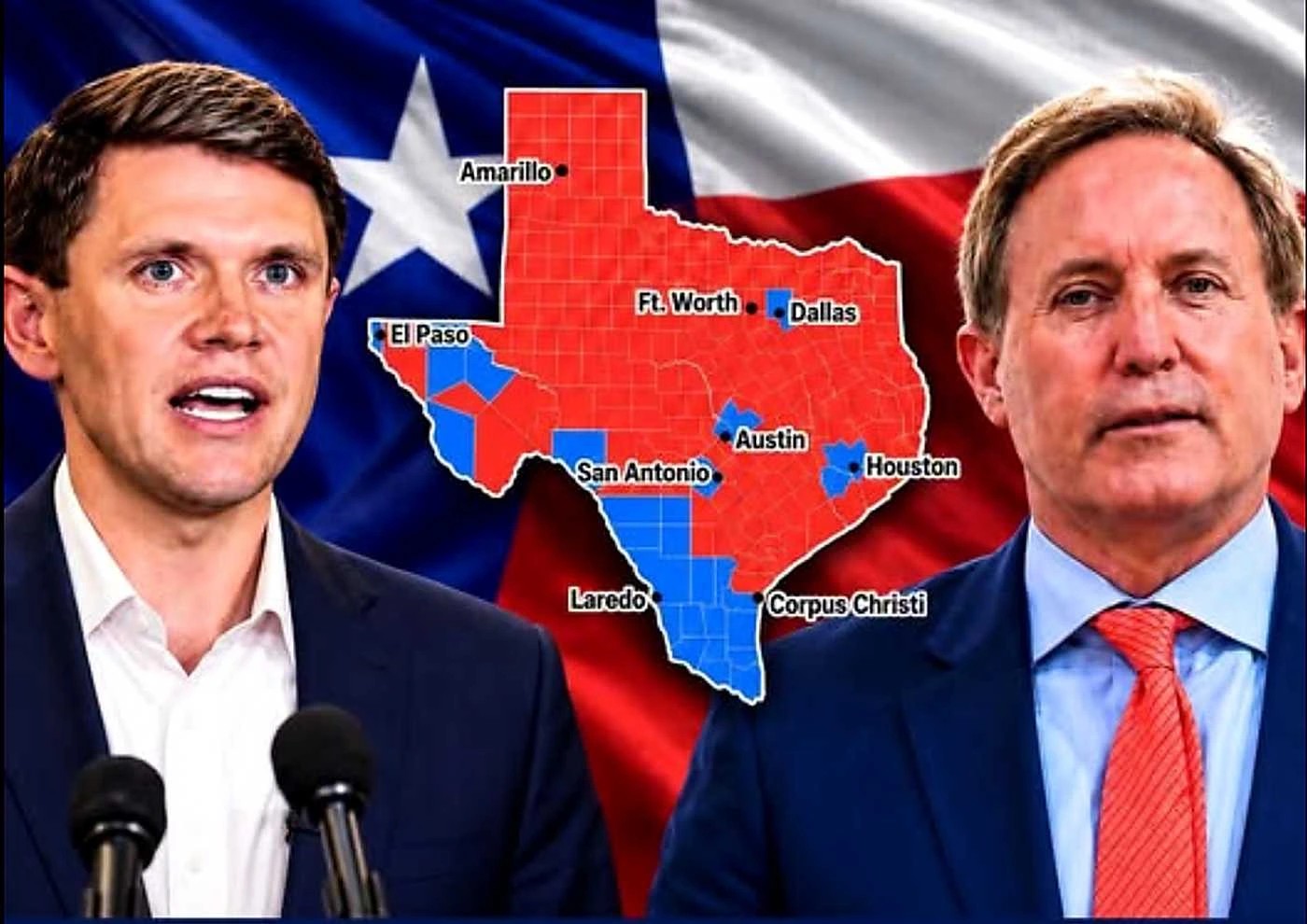
The closely watched Senate race pits Republican Texas Attorney General Ken Paxton against Democratic State Representative James Talarico. The seat carries weight for the balance of power in Washington and has drawn attention as one of the most competitive state-level contests in the nation.
Money Pours In
Trump’s political apparatus has directed heavy resources toward competitive races nationwide. MAGA Inc., his flagship super PAC, has deployed nearly $277 million since early September to back Republican candidates. That spending includes large transfers to affiliated committees that are paying for advertising in tight Senate and House races. The group sent $200 million to No Going Back PAC and $25 million to Safety and Affordability PAC to widen its reach in key battlegrounds.
The war chest has been bolstered by major donations from prominent backers. September filings showed an $8 million contribution from Las Vegas casino executive Steve Wynn, along with $5 million each from real estate developer Todd Hendricks and Blackstone founder Stephen Schwarzman. Super PACs can accept unlimited contributions from individuals and corporations under federal law, though they must operate independently of candidates.
Trump has also said his broader political operation plans to exceed $400 million in spending by Election Day. That total extends beyond super PAC activity to include advertising buys, direct voter contact, rallies, and other election work. On the House side, the National Republican Congressional Committee, the party’s main House fundraising arm, raised $50 million in the third quarter and began October with about $61 million available. That money is aimed primarily at House races rather than state Senate contests.
Trump Weighs In
Trump has personally entered the Texas race. On Monday, he criticized Republican Senator John Cornyn and conservative commentator Karl Rove on his Truth Social platform. “If Ken Paxton loses, it will be because of WEAK and INEFFECTIVE Political Hacks like John Cornyn and Karl Rove, who have ineffectively opposed me for my entire political career,” he wrote. Paxton defeated Cornyn in the Republican primary, a contest in which Trump had endorsed Paxton.
What It Means
Fundraising totals and early vote tallies offer a snapshot of campaign momentum, not a forecast of Election Day results. Democrats are also raising substantial sums to compete in Texas, and Talarico’s campaign is part of that effort. Late in a campaign, advertising rates often climb as available airtime shrinks, which could reduce how far large cash reserves stretch in the final weeks.
The Republican early voting lead reflects participation through October 22, not a final count of voter preferences. Millions more ballots will be cast on Election Day and during the remaining early voting period before the results are settled. Texas has not elected a Democrat to statewide office in more than three decades. That history shapes expectations but does not determine the outcome of any single race.
Taken together, the favorable early voting data and record Republican fundraising suggest party leaders see the competitive landscape as winnable across multiple battlegrounds. How much those advantages matter in November will depend on turnout, campaign effectiveness, and whatever developments emerge in the final days of the race.