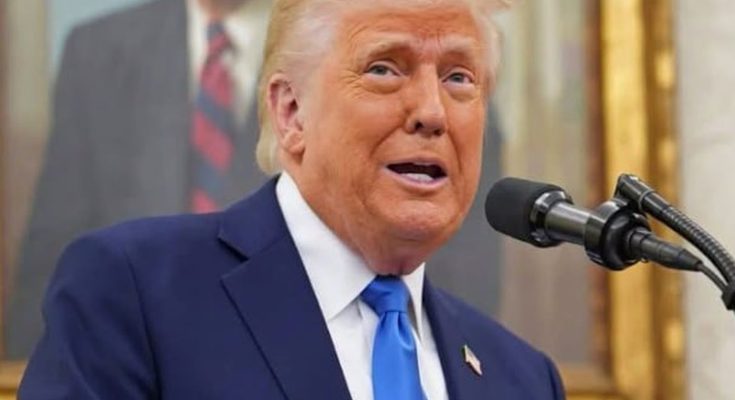
When Donald Trump told an audience that the press was “going to change,” the reaction in the room was immediate and visible. Reporters looked on in surprise, and some began taking notes at once. The remark, as reported in the account this piece is based on, was not about a specific policy or military matter. It was about the press itself: its work and its future.
What Was Said
The original account does not specify the date or location of the remarks, and it does not include the full context of the exchange. What it does describe is a statement that reporters interpreted as a warning rather than a routine critique. Readers should look for the complete transcript or recording before drawing firm conclusions about the speaker’s intent.
Why Press Advocates See a Red Line
A president’s comments about the media carry particular weight because they can influence how newsrooms, sources, and the public view the boundaries of acceptable reporting. Critics of the remark argue that suggesting the press will be forced to change, without explaining how, blurs the line between political criticism and pressure on journalism. The concern is less about one sentence than about what it could signal over time.
A Two-Part Response for Newsrooms
Media commentators who have weighed in on moments like this often recommend two responses. The first is transparency. Outlets can explain to the public how they verify information, correct errors quickly, and why an independent press serves citizens who do not hold power. Clear standards make it harder for critics to present reporting as partisan.
The second is cooperation among outlets that usually compete. Proposed steps include joint statements, shared investigations, coordinated legal defenses, and a firm refusal to accept gag orders, blacklists, or arrangements that trade access for favorable coverage. Advocates argue that local newspapers, press freedom organizations, and national networks are strongest when they act as a connected ecosystem rather than as isolated brands.
A United Message
The Constitution protects the press, and the press will not give that protection up.
Whether the remark marks a turning point or is simply another heated exchange between a president and the media, it has prompted a debate about how journalists should defend their independence. For now, the question facing newsrooms is how to respond clearly, credibly, and together.