What Happened
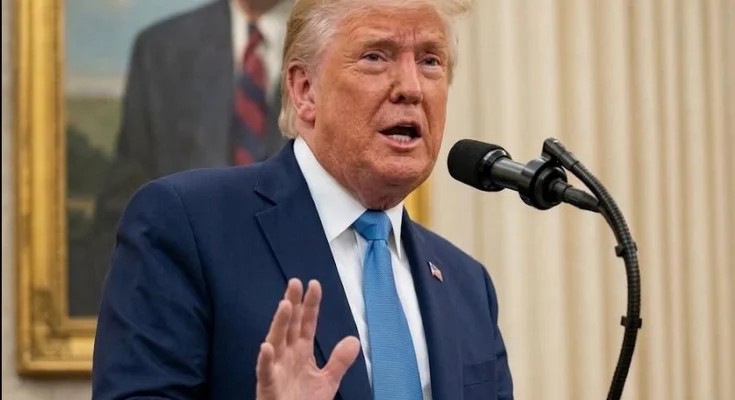
In August, Trump called on the Federal Communications Commission to investigate NBC journalist Kristen Welker, arguing that she had misrepresented his record on endorsements. He went further, suggesting the FCC should impose a “rebuke or punishment” on the network. NBC came to Welker’s defense and said it stood by her reporting. The FCC’s power in this area is constrained by First Amendment protections, which generally bar the agency from substituting its own judgment for a broadcaster’s editorial decisions.
The dispute has since grown beyond that single exchange. ABC and Disney subsidiaries have taken the FCC to court, arguing that an early license review of eight Disney-owned ABC stations amounts to retaliation for the network’s news coverage and programming choices. FCC Chairman Brendan Carr has rejected that characterization, maintaining that the agency’s actions reflect routine public-interest obligations that apply to all broadcasters.
The Reaction
On September 16, the Senate Commerce Committee advanced legislation aimed at stopping federal officials from pressuring private companies to suppress protected speech. The bill passed the committee 18-10. If enacted, it would allow individuals to sue federal employees accused of coercing companies into silencing constitutionally protected expression. The measure still needs approval from the full Senate and the House before it could become law. Lawmakers from both parties have voiced concern about government pressure on private platforms and media organizations.
News organizations have pushed back by reaffirming their commitment to journalistic standards and calling for greater transparency. They stress that reporting must be verified, that news must be clearly separated from opinion, that errors should be corrected quickly, and that supporting evidence should be available for public review. Critics of the media, however, maintain that journalists must be held accountable for factual mistakes, and they note that when government regulatory power is used in response to coverage, it raises separate and serious constitutional questions.
What This Means
Presidents have the right to criticize reporters and dispute their stories, and political leaders can call news outlets to account for errors. But when regulatory mechanisms become entangled with disagreements over coverage, the constitutional principles that separate governmental power and protect press independence come under scrutiny. In that situation, courts, due process, and public transparency become essential safeguards.
Competing news organizations also face pressure to defend shared principles, even when they disagree on editorial direction or politics. Local newspapers, television stations, national networks, digital publishers, and independent journalists work across very different platforms, yet all rely on the public’s ability to obtain information about government without fear of official retaliation for protected speech.
The First Amendment does not promise a comfortable relationship between political leaders and the press. When tensions escalate, the public depends on seeing facts, evidence, legal arguments, and competing claims laid out clearly, without either government or media institutions claiming unchecked authority over public debate. Protecting that system requires courts to review government actions, audiences to hear multiple perspectives, and newsrooms to correct mistakes openly when they occur.