Jay Rockefeller IV, a member of the Standard Oil fortune who spent three decades in the U.S. Senate and became a leading advocate for health care reform in West Virginia, has died at his home in Charleston. He was 89. His family announced the news, saying he died peacefully.
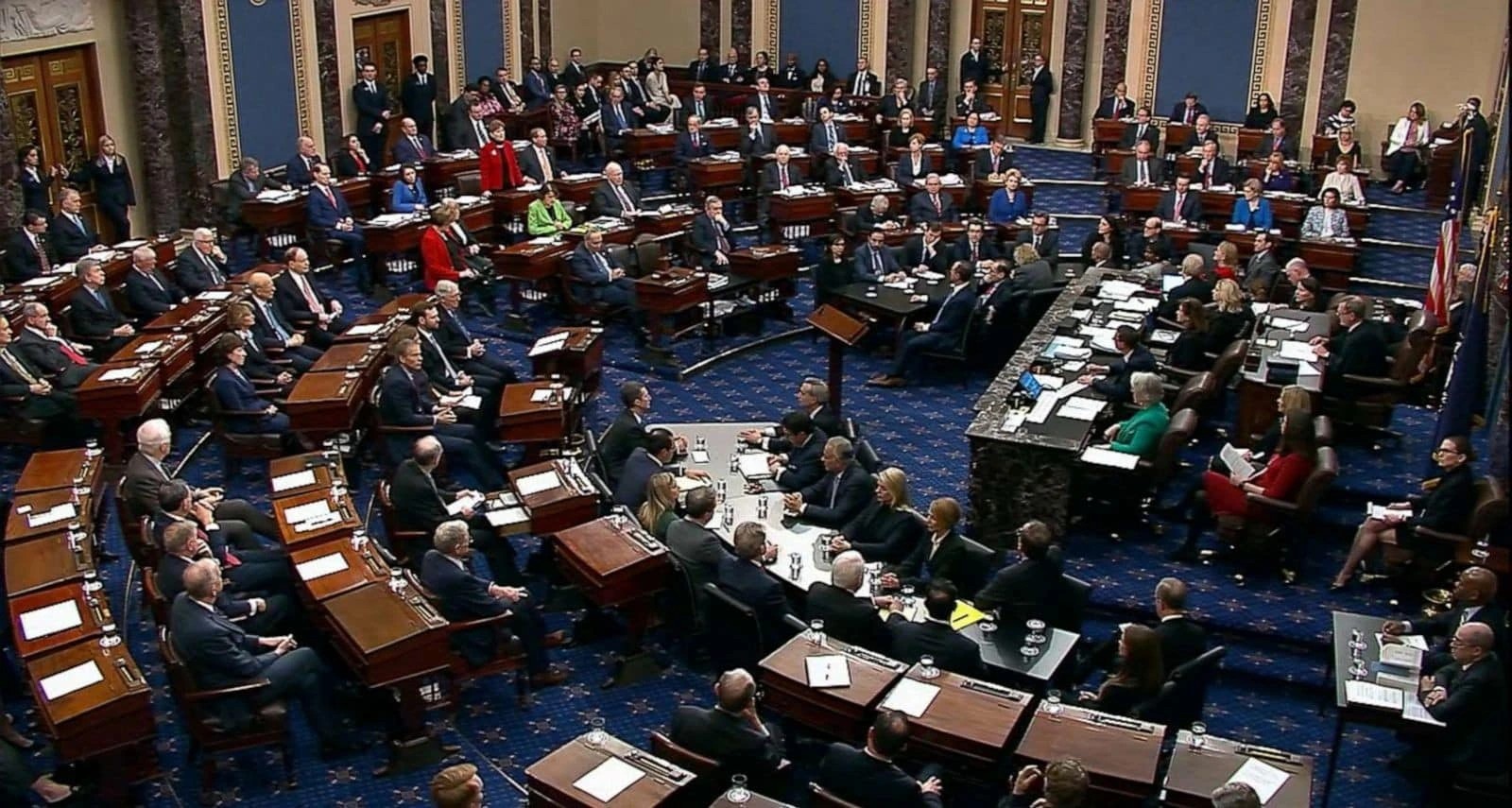
Rockefeller, a Democrat, represented West Virginia in the Senate from 1985 until his retirement in 2015, winning five terms after serving as the state’s governor. He is survived by his wife, Sharon Percy Rockefeller, four children, and grandchildren and great-grandchildren.
A Different Path From the Family Name
Born John Davison Rockefeller IV in New York City in 1937, he was the great-grandson of Standard Oil founder John D. Rockefeller and a nephew of Nelson Rockefeller, the Republican governor of New York who later served as vice president under President Gerald Ford. Unlike much of his family’s Republican tradition, Rockefeller built a political career firmly on the Democratic side.
His connection to West Virginia began in 1964, when he arrived as a VISTA volunteer in Emmons, a coal community. He later said the experience of living among people in impoverished areas fundamentally shaped his political outlook and his commitment to the state.
His rise in state politics was steady. He served as West Virginia’s secretary of state from 1969 to 1973 and lost a bid for governor in 1972. He won the office in 1976, serving from 1977 to 1985, before moving to the Senate.
Health Care and Public Service
In the Senate, Rockefeller concentrated on health care, the welfare of miners, children’s programs, and the economic challenges facing West Virginia. He is widely credited with helping create the State Children’s Health Insurance Program, known as CHIP, which he developed with Republican Sen. John Chafee of Rhode Island. The program became law in 1997.
CHIP extended government-supported health coverage to children whose families earned too much to qualify for Medicaid but could not afford private insurance. Rockefeller also chaired the Senate Commerce, Science and Transportation Committee and the Senate Intelligence Committee, positioning him at the center of major national security debates after the September 11 attacks.
Reactions and Legacy
In 2002, Rockefeller voted to authorize military force against Iraq. He later became one of the war’s most outspoken critics, questioning the intelligence used to justify it. He also championed health protections for coal miners suffering from black lung disease and repeatedly pushed for federal programs to address the economic problems of Appalachia.
Republican Sen. Shelley Moore Capito, who succeeded Rockefeller in the Senate, described him as a dedicated public servant whose influence shaped West Virginia for decades. “Senator Rockefeller was a true public servant who dedicated decades of his life to the people of West Virginia,” Capito said. Former Democratic Sen. Joe Manchin also praised Rockefeller’s steadfast commitment to the state and its residents.
The End of an Era in West Virginia
Rockefeller announced in 2013 that he would not seek a sixth term, closing a political career that spanned nearly half a century. His departure coincided with a dramatic shift in the state’s politics. West Virginia, which had repeatedly elected Rockefeller and other Democrats, became one of the nation’s most reliably Republican states over the following decade.
Capito won Rockefeller’s seat in 2014, becoming the first Republican senator from West Virginia in more than half a century. Republicans subsequently won virtually every major statewide office and congressional seat in the state. Rockefeller stayed connected to West Virginia after leaving Washington, maintaining a home in Charleston where he spent his final years.