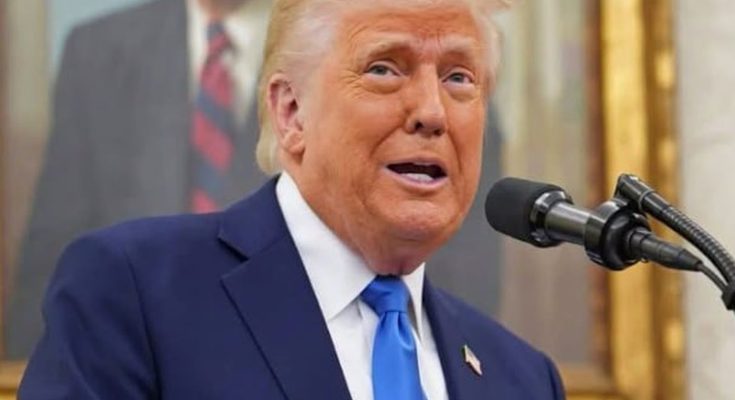
The room fell silent when Donald Trump made his remark about the press. Reporters looked back at him, some visibly stunned, others already writing. According to the account of those present, Trump said the media was “going to change.” He was not discussing policy or foreign conflict. He was talking about the press itself, its work, and its future. For many in the room, the statement blurred the line between criticism and open retaliation.
A free press cannot treat a warning of that kind as just another provocative headline. Whatever one thinks of the president’s politics, a leader signaling that the media will be reshaped deserves close scrutiny, and journalists have a professional obligation to respond with care.
Clarity First
The first response should be to explain, plainly and repeatedly, why an independent press exists. A free press protects the public’s ability to learn what its government is doing, including what officials would prefer to keep out of view. It also protects people who have no other way to hold power accountable.
Democracies rarely collapse in a single moment. More often they erode gradually, as leaders decide which stories are acceptable and which are not. Newsrooms that want to resist that drift must make their own conduct beyond reproach. That means showing sourcing and methods, tightening editorial standards, and correcting errors quickly. Credibility is the strongest defense the press has, and it has to be earned every day.
Once power pushes back, journalists should hold their position more firmly, not less.
Solidarity Across Competitors
The second response is solidarity. Newsrooms that normally compete for readers, scoops, and advertising have a shared stake in protecting the conditions that allow any of them to do their jobs. That argues for practical cooperation: joint statements, joint investigations, coordinated legal defenses, and a common refusal to accept gag orders, blacklists, or deals that trade access for favorable coverage.
Press freedom organizations, local outlets, and national news organizations each play a role. Local reporters often face pressure first and with the fewest resources to resist it. National outlets have the legal and financial capacity to absorb a fight. Treating them as a single ecosystem, rather than isolated brands, makes the press harder to divide and harder to intimidate.
A Simple Message
When a president suggests that the rules governing the press are about to change, the response from journalists should be direct and unified. The First Amendment protects the press from government interference, and the press intends to keep exercising that protection. As one version of the message puts it: the Constitution says otherwise, and the press is not moving.