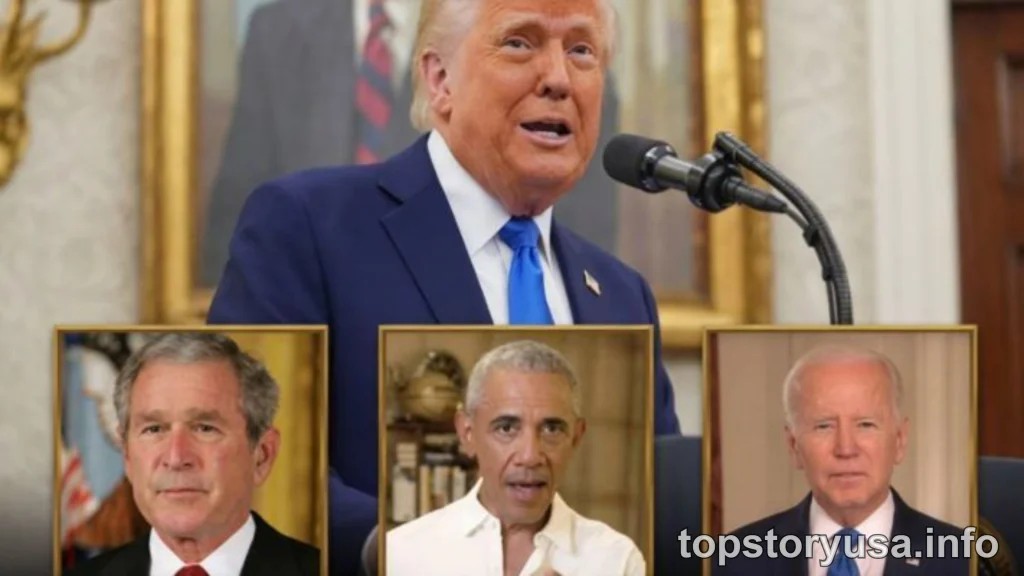
Former President Donald Trump publicly criticized specific news organizations and their reporting during a televised public appearance, a move that media observers say marks a notable departure in how political leaders engage with the press.
What Happened
During the televised event, Trump singled out particular outlets and challenged their coverage. The remarks amounted to a direct challenge to editorial independence and the news judgment of the organizations involved.
Legal scholars and press advocates said the comments went beyond ordinary political disagreement and merited serious attention. Media analysts pointed to the public, live nature of the confrontation as a factor that heightened its significance.
The Reaction
Press freedom organizations described the incident as a test of institutional resilience. News outlets across the country were left weighing how to cover the story and the broader implications it carries.
Media leaders stressed the importance of a unified response to government pressure on editorial decisions. Industry observers argued that coordination among competing outlets could help strengthen protections for independent reporting.
What This Means
The episode underscores ongoing tensions between political figures and journalistic institutions over coverage and editorial choices. Experts say confrontations of this kind reflect wider debates about press freedom and government accountability.
It also highlights the vulnerability of press institutions when they face direct political pressure. Constitutional protections for journalism, observers note, depend on both legal frameworks and a sustained institutional commitment to independence.
Going forward, news organizations may need to balance rigorous coverage standards with visible resistance to outside influence. The development reflects a long-running pattern of tension between democratic governance and a free press.