The Trump administration and the country’s traditional news organizations are in a sharp dispute over who should control the White House press pool, the small group of journalists who receive direct access to the president during travel and restricted events. The White House Correspondents’ Association insists that the government should not be the one deciding which outlets take part.
At the center of the disagreement is a long-standing practice that lets a limited number of reporters represent the wider press corps when space or security makes it impossible for every journalist to attend a presidential event. The fight has grown into one of the most consequential clashes between the Trump administration and Washington’s established news outlets since the president returned to office, and it has raised fundamental questions about media independence and government transparency.
How the Dispute Began
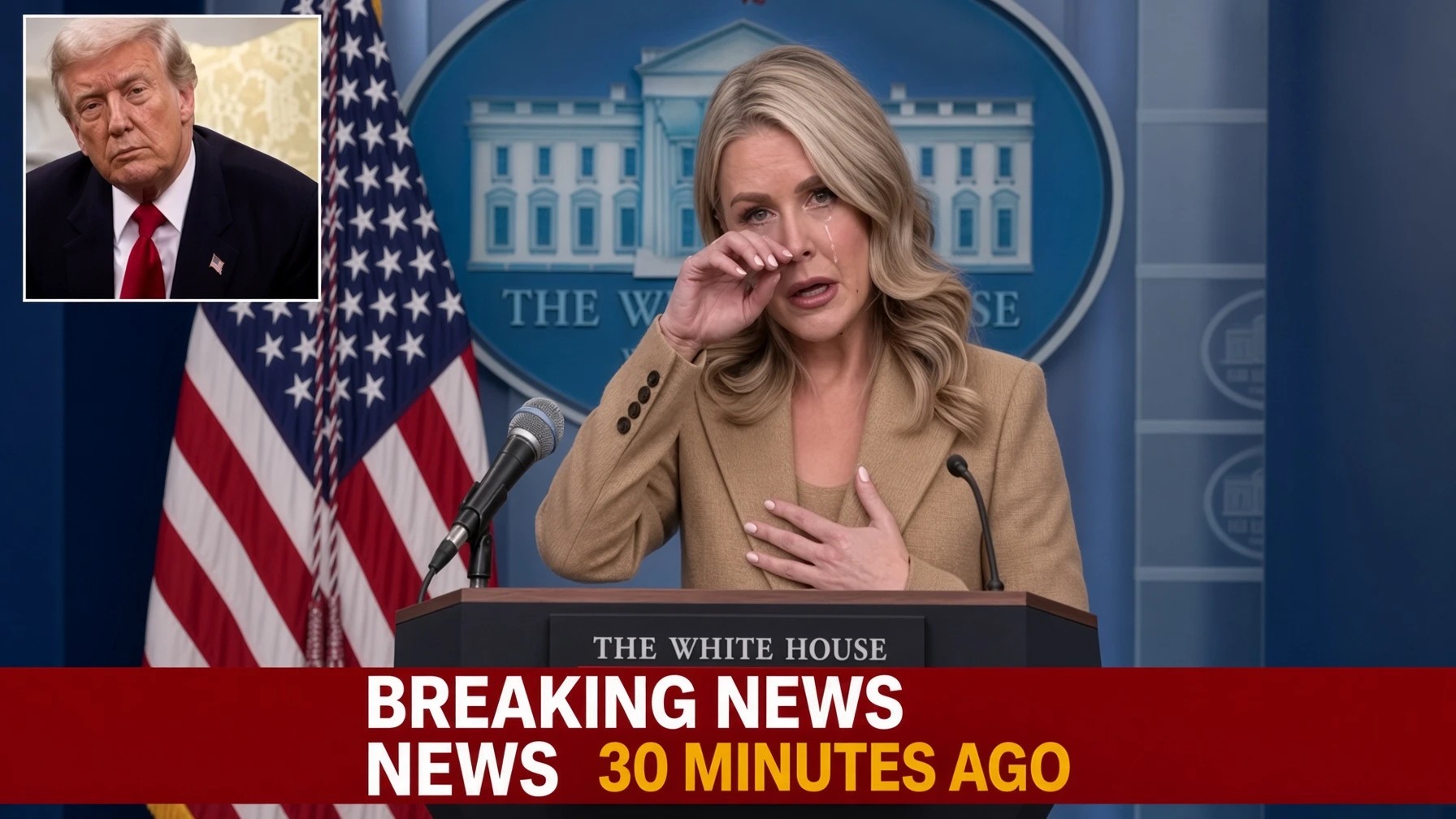
In February 2025, the White House announced that it would take over decisions about press pool selections. Under the previous arrangement, the White House Correspondents’ Association helped determine which outlets participated. White House Press Secretary Karoline Leavitt defended the change in a conversation with Axios co-founder Mike Allen, presenting it as a way to widen coverage rather than limit it.
Leavitt rejected the idea that the change amounts to restriction. Instead, she said, the administration wanted to offer opportunities to “more outlets, more voices, more news journalists and outlets.” She argued that the media landscape has changed dramatically, with podcasts, digital publications, social media personalities and independent commentators now playing a major role in how Americans get political news.
Tensions escalated sharply when the administration restricted Associated Press reporters from certain Oval Office events and from access aboard Air Force One. The conflict deepened after the AP continued to use “Gulf of Mexico” in its coverage instead of “Gulf of America,” the name Trump had directed federal agencies to adopt through an executive order. The AP then sued senior Trump administration officials, arguing that the access limits violated its constitutional rights.
The presidential press pool includes 13 seats on Air Force One during trips outside the Washington area. Those seats are divided among wire services, photographers, television networks, radio and print reporters. The system exists because the president cannot accommodate the entire press corps in restricted spaces or during movements. Pool reporters are expected to share their information, photos, video and audio with everyone else, serving as representative witnesses to the president’s actions and statements.
Reaction From the Press Corps
The White House Correspondents’ Association has rejected the administration’s claim that government control of pool selection expands access. The group argues that the change is a threat to press independence. In its view, journalists themselves should decide pool rotations according to established professional standards, and the association should remain an advocate for broad coverage without falling under executive branch control.
The association also stresses that the pool serves as a historical record. Pool reports, photographs and video become part of the lasting documentation of the presidency. The WHCA contends that if government officials choose which outlets participate, the executive branch effectively decides which news organizations get privileged proximity to the president. That, the group says, undermines the independence journalism needs to fulfill its role as a watchdog.
Leavitt responded that the White House is not shutting out established outlets. Rather, she said, it wants to bring in newer voices that reflect how today’s audiences consume news. She questioned whether any organization should keep a permanent place in the limited travel pool simply because it has held that seat in the past. The administration argues that media structures should evolve as the news industry changes.
What It Could Mean
The disagreement goes beyond individual reporter assignments. It touches on a basic question about the relationship between government and journalism: should the executive branch control access when physical limits require a smaller group of representatives? The pool system was built to ensure that presidential actions and statements are documented as they happen, even when not every journalist can be present.
The administration presents its approach as a way to modernize press access. Traditional news organizations counter that independent selection protects press freedom from government influence. As the Trump administration continues to reshape its relationship with the press, questions about transparency, fairness and editorial independence are likely to remain at the heart of the debate over presidential coverage. The outcome could shape not only how this presidency is recorded, but also the precedents that future administrations and the press follow.